
How much does a roof replacement cost?
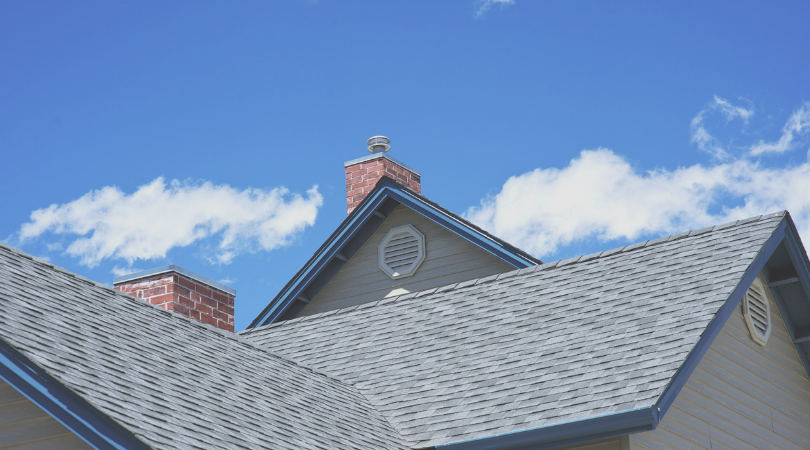
A roof isn’t exactly the most exciting home renovation project you’ll undertake, nor is it the cheapest. In fact, roof replacement is likely to be one of the largest expenses for a homeowner. However, it isn’t nearly as costly as the potential damage caused by leaving a damaged roof unattended. Cracks or leaks in your roof can cause water damage and rot. If roof issues are left unaddressed for long enough, they allow leaks into your home which could cause your ceiling to cave in as well as other extensive damage to your home and belongings.
The average roof replacement cost is about $9,000, according to data collected by Angi.com and updated in September 2023. However, roof replacement cost can vary greatly based on numerous factors. It’s recommended that homeowners get several quotes to understand their actual cost of roof replacement.
How long does a roof last?
A new roof can last from a couple of decades to even longer depending on the roofing material chosen. However, if you notice certain issues, it may be time to repair or replace your roof.
When considering typical upkeep on your roof, there are specific places to check. Connections and caulking around holes cut in the roof need maintenance more often than other areas. Examples include areas such as chimneys, vents, antennas, and satellite dishes mounted to the roof. In addition, look for debris that can build up in valleys and gutters, which can also contribute to wear and tear on the roof.
If you see an obvious leak, you should investigate immediately. The size and persistence of the leak, or the presence of multiple leaks will determine if your roof needs repairing or replacing. A visible drip is the most obvious sign of a roof leak but if you see things like streaks, stains, or water spots in the ceiling, upper walls, or attic, you may have a roof leak.
You may want to have a professional assess your roof for missing, cracked, or curling shingles, discoloration around vents, and moss or algae growth. These are signs your roof may need replacing. Shingle debris in your gutters is a sign that your shingles are deteriorating and may need replaced.
Check the shape of your roofline—it should be strong and straight. A visibly sagging roofline or dips and curves along the roofline could be the result of a framing issue or a water-soaked roof. Act quickly to fix the issue as a sagging roofline can cause a partial or full cave-in.
Factors that impact roofing replacement costs
Roof replacement costs are determined by a number of factors, but when you receive an estimate from a roofing professional, the cost is typically broken down by labor and materials. You’ll want to do your own research to validate cost breakdowns and appropriate ratios. Here are some key factors that shape these estimates:
Size of the roof
Generally speaking, the bigger the square footage of your home, the higher your cost will be as it will require more labor and materials to complete. Roof replacement costs vary widely per square foot. It’s best to get an estimate to understand your expected costs based on the roof size and materials.
Roof pitch
Roof pitch is the steepness of the angle of your roof. Also called the “roof slope,” it’s determined by how many vertical inches the roof rises for every 12 inches that it extends horizontally. A steep roof may require special equipment to safely replace, which could add a few more thousand dollars in labor costs.
Roofing materials
The roofing material is one of the biggest factors that impact the cost of replacement. The price range of different roofing materials is vast. Basic asphalt shingles, a mix of asphalt, fiberglass, and mineral composite, tend to be on the lower cost end compared to materials like galvanized or stainless steel, slate or stone, or copper. Due to the wide variance in material costs, it’s important to get estimates based on the materials you choose and the associated costs.
Damage
The extent of the damage to your roof will also determine the cost. If you make a claim for roof damage and your policy provides coverage, your insurance carrier’s claims team will inspect those damages and determine if the roof can be repaired or if it may need to be replaced.
Labor
Roofing is a labor-intensive job requiring skill, and so the cost of labor is a key component of your total cost. The actual labor cost will depend on factors such as roof pitch, the extent of roof damage (e.g., rotting wood), environmental conditions like extreme heat or cold, and the removal of existing materials.
Location
The location of your home impacts the cost of roof replacement, affecting everything from labor rates to the fluctuating price of materials. Selecting the right type of roofing and shingles that comply with your home’s environment, local building codes, and HOA rules will also influence the cost. Prices tend to be higher in metropolitan areas or places with a higher cost of living.
Does homeowners insurance cover roof replacement?
It’s important to review your current insurance policy to see what is covered and if your roof is included in that coverage. Typically, your homeowner’s insurance policy will cover roof damage in cases of recent or immediate damage caused by storms, natural disasters like tornadoes and hurricanes, fire, and hail damage.
Whether the damages to your roof are covered by your homeowner’s insurance depends upon the cause of the damage and the terms and conditions of your policy. Damages caused by things like wear and tear, earth movement, and improper installation are frequently excluded from coverage.
That’s why it is vital to maintain the quality of your roof and keep all relevant documentation related to roof maintenance as you may need it in the event of a claim.